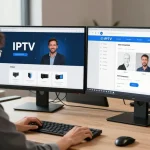

Understanding the Role of an IPTV Reseller
In today’s digital landscape, becoming an IPTV reseller can be a lucrative business for those looking to enter the broadcasting industry. IPTV (Internet Protocol Television) provides users with the ability to stream live TV and on-demand content over the internet, and resellers play a crucial role in bridging the gap between service providers and consumers. By purchasing bulk subscriptions from a reputable IPTV provider and offering them to individual subscribers, resellers can create a sustainable source of income while providing customers with access to a vast array of content.
What is an IPTV Reseller?
An IPTV reseller is a business or individual that buys IPTV services in bulk from an IPTV provider and then sells them to end-users, typically at a retail price. This model allows resellers to operate under their own brand while leveraging the infrastructure and content library of established providers. IPTV resellers can set their own prices, manage their own clientele, and maintain full control over their business operations, making it an attractive venture for anyone with a passion for technology and customer service.
The Importance of Quality Service in IPTV Reselling
Providing high-quality service is paramount in the IPTV reselling business. Consumers expect seamless streaming experiences, including minimal buffering and a diverse range of channels. Therefore, it is essential for resellers to partner with a reputable provider that guarantees high uptime and reliable support. If a reseller sells a subpar service, they risk damaging their reputation and losing their customer base, which can lead to business failure.
Key Technologies Used by IPTV Resellers
Several technologies are fundamental to the success of IPTV resellers. These include advanced streaming protocols, robust Content Delivery Networks (CDNs), and efficient compression techniques such as H.265/HEVC, which improves video quality while reducing bandwidth usage. Moreover, features like anti-freeze technology enhance user experience by preventing buffering during peak times, ensuring that subscribers enjoy consistent quality.
Choosing the Right IPTV Reseller Panel
When embarking on the journey to become an IPTV reseller, selecting a suitable reseller panel is critical. This panel acts as the dashboard that resellers use to manage their operations, subscribers, credits, and overall service delivery. Choosing the right panel can significantly impact performance and customer satisfaction.
Evaluating Features: What Matters Most?
When evaluating IPTV reseller panels, consider the essential features that will support your business needs. Look for a panel with user-friendly navigation, an intuitive dashboard, and automated processes for creating subscriber lines and purchasing credits. Important functionalities to look for include:
- Real-time credit management
- Robust reporting and analytics tools
- Multi-device compatibility for various platforms (Smart TVs, devices like Firestick, and mobile devices)
- White-label capabilities for brand customization
- 24/7 technical support to assist when issues arise
Comparing Pricing: Wholesale vs Retail
The pricing structure for IPTV reseller services is another significant factor. Most providers offer wholesale credits that resellers can sell at retail prices. It’s crucial to evaluate the cost-effectiveness of these wholesale packages while considering your target market’s average pricing. For instance, a reseller might purchase credits for £1.5 each but set a retail price that allows for profitable margins, typically ranging from £8 to £15 for a month’s subscription.
Local vs Global: Why UK-Focused Providers Excel
When choosing an IPTV provider, local optimisers often outperform global counterparts for UK-based operations. UK-focused providers understand local broadband infrastructure, peak traffic patterns, and popular viewing preferences. This tailored approach can lead to better service and customer experiences, as they typically offer better server uptime and lower latencies during peak UK viewing hours, which is crucial for sporting events.
Setting Up Your IPTV Reseller Business
Setting up an IPTV reseller business may seem daunting; however, with the right approach, it can be straightforward. The essential steps covered below will guide you through this process.
Essential Steps to Launch an IPTV Reseller Business
To launch your IPTV reseller business effectively, follow these steps:
- Research the market: Understand the competitive landscape and identify your target customers.
- Choose a reputable IPTV provider: Assess multiple providers for reliability, support, and feature offerings.
- Set up your pricing model: Determine how much you’ll charge your subscribers while ensuring it’s competitive.
- Build a business structure: Decide whether to register as a sole trader, limited company, or partnership.
- Market your services: Launch a marketing strategy to inform potential customers about your offerings.
Building Your Online Presence: Tips for Local Success
In today’s digital age, having a strong online presence is vital. Creating a professional website is one of the first steps to gaining credibility. You should include:
- A clear description of your services
- Pricing plans
- Testimonials and customer reviews
- Contact information and a FAQ section
Additionally, utilising social media platforms can aid in engaging local communities and driving traffic to your site.
Payment Processing: Setting up for Subscribers
Efficient payment processing is essential for any reseller. Consider integrating secure payment systems that allow subscribers to pay conveniently. Look for payment gateways with competitive transaction fees, and ensure they support recurring payments, making the subscription process smoother for your customers.
Marketing Your IPTV Reseller Service Locally
After setting up your IPTV reseller business, the next step is effective marketing to attract customers. Here are some strategies to consider.
Utilising Social Media for Engagement
Social media platforms are powerful tools for engaging potential customers. Create business profiles on platforms like Facebook, Instagram, and Twitter to share content related to the latest shows, promotions, or customer testimonials. Targeting local audiences through paid advertising can also enhance visibility and draw more interest in your services.
Local SEO Tactics to Drive Traffic
Implementing local SEO strategies is vital for driving organic traffic to your website. This includes optimising for local keywords related to your IPTV reseller service and ensuring your business is listed on Google My Business and other local directories. This visibility can help potential customers find your services when searching for IPTV options in their area.
Customer Retention Strategies for IPTV Resellers
Beyond attracting new customers, focus on retention strategies to keep your existing subscribers. Consider creating loyalty programs, offering discounts for long-term commitments, and gathering feedback to improve service. Regular communication through newsletters about new content or upgrades can also keep your audience engaged.
Customer Support Best Practices for IPTV Resellers
Providing excellent customer support is crucial for the sustainability of your IPTV reseller business. Here are key best practices to follow.
Providing 24/7 Support: Importance and Implementation
Offering round-the-clock support builds trust with your customers. Implement live chat features, maintain an active support email, and consider engaging with customers through WhatsApp or other messaging platforms. Prompt responses to queries enhance customer satisfaction and promote loyalty.
Handling Customer Complaints Effectively
Despite best efforts, issues may arise, and customers may experience dissatisfaction. It’s essential to have a clear process for handling complaints. Listen carefully to your customers’ concerns, provide solutions promptly, and follow up to ensure their issues are resolved satisfactorily. This proactive approach can turn dissatisfied customers into loyal advocates for your brand.
Building Trust with Customer Testimonials and Reviews
Encouraging satisfied customers to leave testimonials increases potential customers’ confidence in your services. Feature positive reviews prominently on your website and social media channels. Transparency regarding customer experiences can build trust and encourage others to make a purchase.