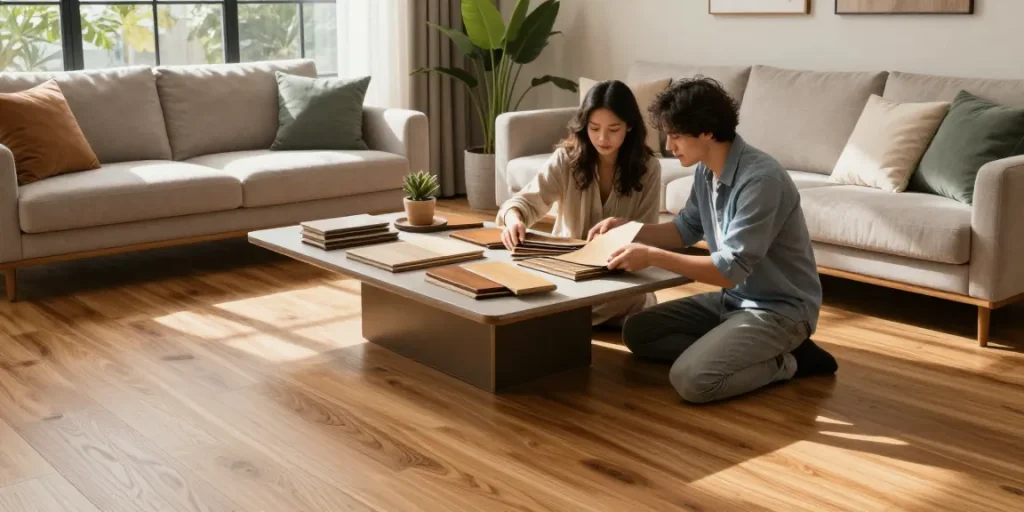

Understanding Laminate vs. Engineered Wood Flooring
Choosing the right flooring option can be a daunting task for many UK homeowners, especially when faced with the dilemma of laminate versus engineered wood flooring. Both options offer unique benefits and drawbacks, making it essential to assess them based on your personal preferences, lifestyle, and budget. Additionally, the decision has implications for aesthetics and long-term investment in your home. To navigate this choice effectively, it can be helpful to consult laminate flooring experts who can provide tailored advice based on your specific needs.
What is Laminate Flooring?
Laminate flooring is a synthetic product crafted from compressed fibreboard that mimics the appearance of wood. It features a printed wood-effect layer topped with a protective coating, making it an attractive option for those who want the look of hardwood without the hefty price tag. One of its standout qualities is its durability; laminate is resistant to scratches and easy to clean, making it a practical choice for busy households.
What is Engineered Wood Flooring?
Engineered wood flooring, on the other hand, consists of a real hardwood veneer bonded to several layers of plywood. This construction provides the genuine look and feel of natural wood, paired with enhanced stability compared to traditional hardwood flooring. Engineered wood is less likely to warp or swell when exposed to changes in humidity and temperature, making it suitable for a variety of indoor environments.
Key Differences in Structure and Performance
Understanding the structural differences between laminate and engineered wood flooring is crucial in making an informed decision. Laminate is typically less expensive and offers quick installation, while engineered wood provides an authentic aesthetic that might appeal more to those looking for a premium finish. Engineered wood’s composition allows for better thermal insulation and sound absorption, which can contribute to a more comfortable living space.
Choosing the Right Flooring for Your Lifestyle
Budget Considerations: Laminate vs. Engineered
When deciding between laminate and engineered wood flooring, budget plays a significant role. Laminate is generally the more affordable option, making it ideal for homeowners on a strict budget or those wanting to renovate without overspending. Engineered wood, while more expensive, can be seen as a long-term investment due to its durability and potential for increased home value.
Maintenance Needs: Which is Easier to Care For?
Maintenance requirements also differ between the two types of flooring. Laminate flooring is known for its ease of care, requiring only a damp mop and gentle cleaning solutions to maintain its appearance. Engineered wood, while also manageable, may require more attention, such as periodic refinishing to preserve its surface quality and prolong its lifespan.
Design Preferences: Aesthetic Appeal of Each Option
In terms of aesthetic appeal, engineered wood flooring enjoys an advantage since it features genuine wood grain patterns and texture that laminate cannot fully replicate. Homeowners with a focus on design may gravitate towards engineered wood for its beauty and authenticity, while those prioritizing practicality may find laminate meets their needs effectively.
Evaluating Durability and Longevity
Resistance to Wear and Tear
Durability is another critical factor in the laminate versus engineered wood debate. Laminate flooring is designed to withstand daily wear and tear, making it suitable for high-traffic areas such as hallways and living rooms. Engineered wood, while more susceptible to scratches, can still hold up well over time, especially if properly maintained.
Water and Moisture Management
Water resistance is essential when considering flooring for areas prone to moisture, such as kitchens and bathrooms. Laminate flooring is typically more resistant to spills and humidity. However, engineered wood can also be a viable option if it is installed correctly and maintained with appropriate sealants to protect against moisture damage.
Real-Life Case Studies of Home Installations
Numerous case studies highlight the success of both flooring types in real homes. For instance, families with children and pets often find laminate flooring to be the ideal solution because of its resilience and low maintenance. On the other hand, homeowners aiming for a high-end aesthetic have successfully installed engineered wood in their living areas, appreciating its luxury feel and contributing to the overall value of their properties.
Expert Insights: Flooring Trends for 2026
Emerging Styles in Laminate and Engineered Wood
As we move toward 2026, several flooring trends are emerging in both laminate and engineered wood options. For laminate, there is a growing demand for designs that replicate wider planks and textured finishes, mimicking the latest in hardwood trends. For engineered wood, expect to see a rise in darker stains and unique grain patterns that add character to any room.
Innovative Technologies in Flooring Manufacturing
The flooring industry is continuously evolving, with new technologies enhancing both laminate and engineered wood production. Innovations such as water-resistant surfaces for laminate and improved adhesives for engineered wood are making these products more versatile and robust than ever before.
Eco-Friendly Choices: Sustainable Flooring Options
Environmentally conscious consumers are increasingly interested in sustainable flooring options. There are now green laminate products made from recycled materials, while many manufacturers of engineered wood are focusing on responsibly sourced wood and eco-friendly production processes. These developments cater to the growing demand for materials that are both stylish and sustainable.
Installation Tips from Professional Flooring Experts
DIY Laminate Installation: Step-by-Step Guide
Installing laminate flooring can be a rewarding DIY project. Homeowners should first ensure that their subfloor is clean and level, which is critical for a successful installation. Begin by laying down an underlayment to provide cushioning and moisture protection before connecting the laminate planks using the industry-standard click-lock system.
Professional Installation: When to Consider Hiring
While DIY is an option, there are circumstances where professional installation is advisable. If the area to be floored involves complex patterns or requires extensive cutting, hiring experts can save time and ensure a high-quality finish. Moreover, professional installation may be necessary for engineered wood to avoid issues with moisture that could lead to costly repairs later on.
Common Mistakes to Avoid During Installation
One common mistake during flooring installation is failing to acclimate the planks to the room’s environment before laying them down. Both laminate and engineered wood require time to adjust to the humidity and temperature of the space to avoid warping or gaps post-installation. Additionally, neglecting to follow the manufacturer’s guidelines can lead to installation errors that compromise the flooring’s life.
What’s the difference between laminate and engineered wood?
The primary difference lies in their construction; laminate consists of synthetic materials while engineered wood features a real hardwood surface. This distinction gives engineered wood a more authentic appearance and feel, while laminate is known for its practicality and cost-effectiveness.
Which flooring option is more durable for high-traffic areas?
Laminate flooring is generally more durable and resistant to scratches, making it better suited for high-traffic areas. However, high-quality engineered wood can also perform well if properly maintained and protected from moisture.
How do I maintain laminate and engineered wood floors?
Maintaining laminate flooring is straightforward; regular sweeping and occasional damp mopping will suffice. Engineered wood may require periodic refinishing to restore its beauty and protect its surface.
Can I install laminate flooring in my kitchen?
Yes, laminate flooring can be installed in kitchens due to its water resistance. However, it is crucial to ensure proper sealing and immediate cleanup of spills to prevent moisture damage.
What are the latest trends in flooring for 2026?
As we look ahead to 2026, trends suggest a rise in wider planks, textured surfaces, and eco-friendly materials in both laminate and engineered wood categories. These designs are aimed at creating warm, inviting living spaces that reflect personal style while also considering sustainability.