Understanding the Importance of Felt Roofs
Felt roofing is a popular choice among homeowners for flat roofing solutions, especially in the UK, where varied weather conditions can pose significant threats to the integrity of a roof. With the right materials and installation, a felt roof not only provides a durable barrier against rain but also enhances the aesthetic appeal of a home. As you explore options, felt roof systems have emerged as both a practical and economically viable option for property owners seeking reliability and longevity.
What is a felt roof?
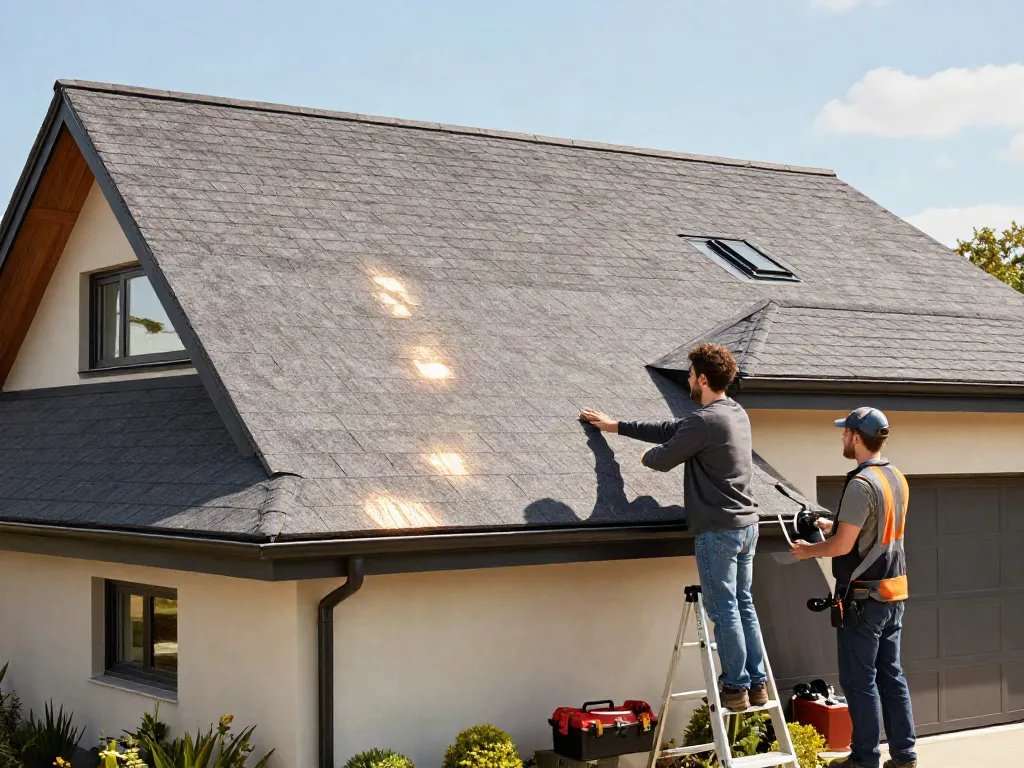
A felt roof consists of one or more layers of felt material that are applied to a flat or low-slope roof surface. Typically made of bitumen-felt, the material is often combined with a reinforcement layer to enhance its durability. The application process usually involves heating the bitumen to promote adhesion and create a waterproof seal that protects the underlying structure from moisture and environmental damage. This method has evolved over the years, with modern felt roofing systems featuring advanced materials that provide better insulation and weather resistance than their predecessors.
Benefits of a felt roof for homeowners
Felt roofs present numerous benefits, making them a staple for many residential and commercial structures:
- Cost-Effectiveness: Felt roofing systems are generally less expensive than other roofing materials, making them an attractive option for budget-conscious homeowners.
- Ease of Installation: The installation process for felt roofs is straightforward and can usually be completed in a short time frame, minimizing disruption to your daily life.
- Durability: Modern felt roofs are designed to withstand the elements, including UV rays, rain, and snow, providing a long-lasting roofing solution.
- Low Maintenance: With minimal upkeep required, felt roofs can last for many years if properly installed and cared for, making them an efficient choice for homeowners.
Common misconceptions about felt roofs
Despite their many advantages, several misconceptions about felt roofs persist:
- They are not durable: Many believe that felt roofs are prone to damage and leaks. However, modern felt roofs, when installed correctly, can provide excellent durability and longevity.
- Felt roofs are only suitable for sheds: While commonly used on garden structures, felt roofs are equally effective on residential buildings and commercial properties.
- They require frequent replacements: With the right installation and maintenance, a felt roof can last up to 20 years or longer.
Choosing the Right Felt Roofing Specialist
Finding a trusted local felt roofing expert involves careful consideration and research. The effectiveness of your roofing installation can heavily depend on the quality of the contractor you choose to work with.
How to find trusted local felt roofing experts
Start by asking for recommendations from friends, family, or neighbors who have had similar work done. Online platforms and review sites can also provide insights into local professionals. Once you have a list, it’s essential to verify their credentials and experience in felt roofing specifically.
What to look for in a roofing contractor
When evaluating potential contractors, consider the following:
- Experience: Look for contractors who specialize in felt roofing and have a proven track record of successful installations.
- Reviews and References: Ask for customer testimonials or references to gauge their reliability and quality of work.
- Insurance and Licenses: Ensure that the contractor is insured and licensed, providing peace of mind in case of accidents or issues during installation.
Verifying contractor references and insurance
Before finalizing your choice, reach out to previous clients to learn about their experiences. Additionally, request proof of insurance to protect against potential liabilities. A reputable contractor will be more than willing to provide documentation and references.
Modern Materials and Techniques in Felt Roofing
The evolution of felt roofing has seen significant advancements in materials and installation techniques that enhance durability and performance.
Evolution of felt roofing materials over the years
Traditional felt roofing was made from basic bitumen felt, which often suffered from brittleness and cracking over time. Modern felt roofs typically utilize multiple layers of reinforced materials that not only improve strength but also resist environmental wear and tear. Innovations in manufacturing processes have led to better adhesion and waterproofing capabilities, making modern felt roofs a preferred choice for many homeowners.
Comparison of traditional vs. modern felt roof systems
While traditional felt roofing offered basic protection, modern systems provide enhanced features, including:
- Multi-layered Protection: Modern systems often include multiple layers that increase resistance to moisture and damage.
- Improved Insulation: Many modern felt roofs incorporate insulation material, helping to regulate indoor temperatures and improve energy efficiency.
- Environmental Resistance: Today’s materials are designed to withstand extreme weather conditions, ensuring longevity and performance.
Innovative installation techniques for enhanced durability
New installation techniques, such as the torch-on method, are employed to bond the layers of felt together, creating a seamless and highly durable surface. This method eliminates seams and potential leak points, ensuring maximum waterproofing effectiveness.
Assessing the Condition of Your Felt Roof
Regularly assessing the condition of your felt roof is crucial for maintaining its performance and longevity.
Signs that indicate your felt roof needs attention
Homeowners should be aware of several warning signs that may signal that your felt roof requires urgent attention:
- Visible Leaks: Water stains on ceilings or walls may indicate a leak in the roof.
- Blistering or Bubbling: Bubbles or blisters on the roof surface suggest trapped moisture that can compromise the roofing material.
- Damaged Edges: Check for loose or lifted edges, which can lead to further water infiltration.
When to repair versus replace a felt roof
If your felt roof is showing signs of wear, you may wonder whether to repair or replace it. Small, localized damage may only require patching; however, extensive damage or age-related deterioration might necessitate a complete roof replacement. Consult with a professional to evaluate your options and costs effectively.
Impact of weather on felt roof longevity
Weather conditions play a significant role in the lifespan of a felt roof. Extreme temperatures, heavy rains, and UV exposure can degrade the roofing material over time. Regular inspections and maintenance can mitigate these effects, ensuring your felt roof remains in optimal condition.
Getting the Best Value: Comparing Roofing Quotes
Obtaining multiple quotes from different contractors is crucial in securing the best price for your roofing needs.
How to effectively compare roofing quotes
When reviewing quotes, pay close attention to the scope of work proposed, including the materials used and warranty offered. Ensure that all quotes are based on the same specifications to make accurate comparisons.
Understanding price vs. value in roofing
While it may be tempting to choose the lowest quote, consider the overall value offered. A higher price may translate to quality materials and better guarantees, ultimately leading to lower costs over time through durability and reduced maintenance.
Tips for negotiating with roofing contractors
Don't hesitate to negotiate on quotes. Discuss your budget and ask if they can adjust their offer or provide a payment plan that works for you. Building a rapport with contractors may lead to better service and pricing.
What is the average felt roof replacement cost?
The cost of replacing a felt roof can vary based on several factors, such as the size of the roof, materials chosen, and contractor rates. On average, UK homeowners can expect to pay between £3,000 to £5,000 for a complete felt roof replacement.
How long should a felt roof last?
With proper installation and maintenance, a felt roof can last anywhere from 10 to 20 years. Regular inspections and timely repairs can help extend its lifespan and maintain its effectiveness.