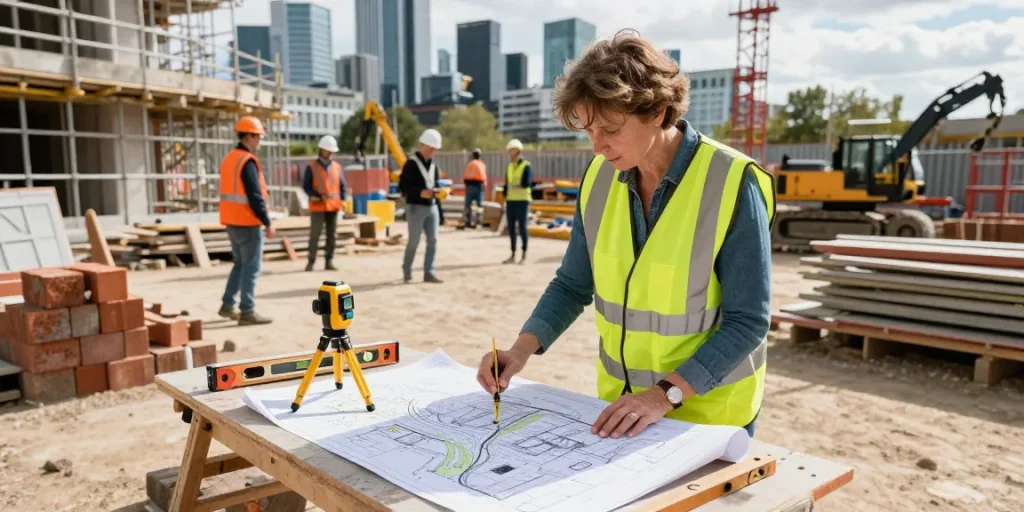

Understanding Measured Building Surveys UK
In the ever-evolving construction landscape, the role of measured building surveys has become increasingly crucial. These surveys provide essential data regarding the dimensions and characteristics of buildings, enabling architects, contractors, and project managers to make informed decisions. Measured building surveys uk serve as a foundational element in the planning and execution of construction projects across London and Surrey, ensuring that all stakeholders have access to accurate, detailed information.
What are Measured Building Surveys?
Measured building surveys are comprehensive assessments that provide precise measurements of a structure’s physical attributes. This includes the creation of detailed floor plans, elevations, and sections, which represent the building’s layout and dimensions accurately. These surveys are often conducted using advanced technology, including 3D laser scanning, which allows surveyors to capture data with high precision.
Importance of Accuracy in Surveys
Accuracy is paramount in measured building surveys. Inaccurate data can lead to costly errors during the construction phase, resulting in delays and budget overruns. Therefore, obtaining precise measurements is crucial to ensure that the design, structural integrity, and compliance with regulations are maintained throughout the project lifecycle. By leveraging the latest surveying technologies, professionals can create reliable datasets that inform all stages of construction.
Types of Measured Building Surveys Available
Various types of measured building surveys can be tailored to meet specific project requirements, including:
- Topographical Surveys: Focus on the land and its features, capturing details such as contours, boundaries, and existing structures.
- Building Surveys: Comprehensive assessments that include detailed measurements of building interiors and exteriors.
- 3D Laser Scanning Surveys: Use laser technology to capture point cloud data, creating highly accurate 3D models of structures.
- As-Built Surveys: Document the existing conditions of a building, ensuring that renovations or extensions align with actual measurements.
- Floor Plan Surveys: Provide detailed layouts of each level of a building, essential for architects and interior designers.
Key Benefits of Measured Building Surveys UK for Your Projects
Enhancing Project Planning and Development
Measured building surveys play a crucial role in project planning and development by providing essential data that informs various stages of a project. Accurate measurements help architects and planners design spaces that optimise functionality and aesthetics while ensuring compliance with regulations. Furthermore, measured surveys facilitate the identification of potential issues early in the project lifecycle, allowing for proactive solutions.
Minimising Costs and Avoiding Delays
Investing in accurate surveyed data can significantly reduce costs associated with construction errors and reworks. By having detailed and reliable measurements upfront, project teams can avoid costly mistakes that arise from miscalculations. Moreover, timely and accurate surveys prevent project delays by ensuring that every phase adheres to the planned timeline.
Improving Compliance and Safety Standards
Compliance with local building codes and safety regulations is vital in construction. Measured building surveys provide the necessary documentation to demonstrate adherence to these standards. With precise measurements, surveyors can identify areas of concern that may pose safety risks or violate regulations, allowing teams to address these issues before they escalate into more significant problems.
Choosing the Right Measured Building Surveying Company
What to Look for in a Surveyor
When selecting a surveying company, consider factors such as their experience, qualifications, and the technology they utilise. It’s essential that the firm has a proven track record in conducting measured building surveys similar to your project type, whether residential or commercial.
Evaluating Experience and Specialisation
Look for surveyors who possess specific experience in your industry. Companies that have worked on projects similar to yours will better understand the unique challenges and requirements involved. Additionally, check for relevant certifications and memberships in professional organisations, as these can indicate a commitment to high standards and continuous development.
Understanding Pricing and Deliverables
Before committing to a surveying service, ensure you have a clear understanding of their pricing structure and deliverables. Request a detailed quotation that outlines what is included in the service, such as the level of detail in the survey reports and the formats in which they will be delivered. Transparency in pricing will help you avoid unexpected costs later in the project.
Technological Advances in Measured Building Surveys UK
Impact of 3D Laser Scanning
3D laser scanning has revolutionised the field of measured building surveys. This technology allows for the rapid collection of vast amounts of data, resulting in the creation of detailed 3D models. Surveyors can capture every detail of a space accurately, which is invaluable for renovations, restorations, and new builds. The resulting point clouds provide an unparalleled level of detail, making surveys more reliable than ever before.
Integrating BIM with Surveying Techniques
Building Information Modelling (BIM) is increasingly being integrated with measured building surveys. This combination allows for enhanced visualisation and analysis of building data. By integrating survey data into BIM systems, project teams can create dynamic models that evolve throughout the project lifecycle, facilitating better collaboration and communication among stakeholders.
Future Trends in Surveying Technologies for 2026
As the construction industry continues to innovate, the future of measured building surveys looks promising. Emerging technologies such as drones for aerial surveys, augmented reality for on-site visualisation, and artificial intelligence for data analysis are set to transform the surveying landscape. These advancements will not only enhance accuracy but also improve efficiency, making measured building surveys an invaluable resource for construction professionals.
Implementing Measured Building Surveys in Your Workflow
Step-by-Step Guide to Conducting a Measured Building Survey
Implementing a measured building survey involves several key steps:
- Initial Consultation: Discuss the project scope and specific requirements with your surveyor.
- Site Visit: Conduct a thorough site assessment to gather preliminary data.
- Survey Execution: Use appropriate technology, such as 3D laser scanning, to gather detailed measurements.
- Data Analysis: Process the collected data to create comprehensive survey documents.
- Review and Adjust: Work with stakeholders to review the survey data and make any necessary adjustments before finalising plans.
Common Challenges and How to Overcome Them
Despite their importance, measured building surveys can face challenges, such as access restrictions, adverse weather conditions, and variations in building regulations between locations. To mitigate these issues:
- Plan surveys during favourable conditions and allocate sufficient time for any potential delays.
- Communicate effectively with clients and stakeholders to establish clear expectations.
- Ensure surveyors are well-versed in local regulations to avoid compliance issues.
Case Studies: Successful Implementation of Surveys
A prominent example of effective measured building surveys is a recent residential redevelopment project in South London. The surveyors employed 3D laser scanning technology to capture the existing conditions of a historic building. This meticulous approach allowed architects to design an extension that seamlessly integrated with the original structure, ultimately leading to a successful project that met both aesthetic and regulatory standards.
What is a measured building survey?
A measured building survey is a detailed assessment that provides accurate measurements of a building’s dimensions and characteristics. These surveys typically include floor plans, elevations, and sections to help inform design and construction processes.
How can measured building surveys help my project?
Measured building surveys ensure that all stakeholders have access to accurate data, which enhances project planning, reduces costs, and improves compliance with regulations. This foundational data is crucial for the successful execution of construction projects.
What technology is used in modern measured building surveys?
Modern measured building surveys utilise advanced technologies such as 3D laser scanning, drones for aerial surveys, and software applications that integrate survey data into Building Information Modelling (BIM) frameworks.
How do I find a surveyor near me?
To find a qualified surveyor near you, consider reaching out to local surveying firms with a strong reputation and experience in your project domain. Online reviews and recommendations can also provide insights into their reliability and quality of service.
What are the costs associated with measured building surveys?
The costs of measured building surveys can vary based on factors such as the size and complexity of the project, the technology used, and the specific services offered. It’s advisable to obtain quotations from multiple surveyors to compare prices and ensure value for money.