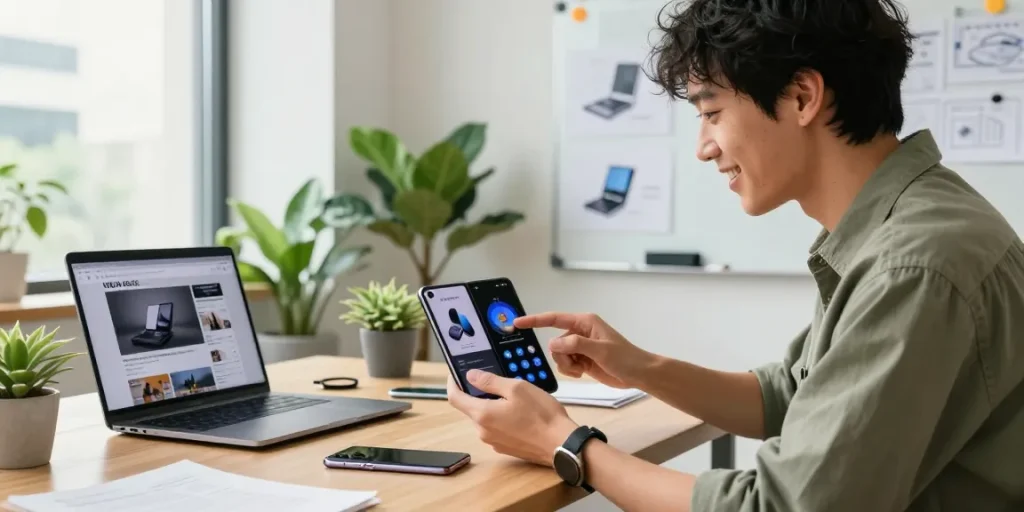

The Evolution of Foldable Phones in 2026
As we delve into the landscape of mobile technology in 2026, the evolution of foldable phones stands out as a critical area of innovation. Foldable technology, once a novelty, is now making waves across the smartphone market, providing users with enhanced functionality and versatility. This transformation is driven by advancements in materials, design, and consumer demand for flexible devices. Notably, as we explore the features and expectations surrounding foldable phones 2026, it’s clear that this segment will continue to push the boundaries of what smartphones can offer.
History and Development of Foldable Technology
The journey of foldable phones began with early concepts and prototypes that showcased the potential of flexible screens. Pioneers such as Samsung and Huawei initially introduced the world to foldable devices like the Galaxy Fold and Mate X, sparking interest and excitement. Over the years, these companies refined their technology, addressing challenges such as durability, reliability, and user interface. The materials used have evolved from simple plastic displays to advanced glass composites that offer better resilience and performance. By 2026, foldable phones are expected to utilize cutting-edge technologies such as ultra-thin glass, enhancing both aesthetics and functionality.
Key Players in the 2026 Foldable Market
In 2026, the foldable phone market is dominated by key players such as Samsung, Huawei, and Motorola, alongside newcomers like Oppo and Xiaomi. Samsung continues to lead with its Galaxy Z series, pushing the envelope with features that cater to both productivity and entertainment. Huawei, despite facing global challenges, remains a formidable competitor with innovative designs that appeal to consumers seeking premium experiences. Motorola aims to captivate nostalgic users with its Razr series, which reimagines the clamshell design. Emerging brands like Oppo are also set to introduce their foldable devices, further diversifying the options available to consumers.
Consumer Adoption Trends for Foldable Phones
Consumer adoption of foldable phones is poised for significant growth in 2026. As prices decline and technology improves, more users are expected to consider these devices as viable alternatives to traditional smartphones. Research indicates that younger demographics are particularly attracted to the innovative form factor and multifunctionality of foldable phones. The demand for unique features, coupled with improved durability and user experience, will drive broader acceptance and market penetration. As users become more familiar with foldable technology, the perception of these devices as premium products may shift towards viewing them as essential tools.
Top Foldable Phones to Watch in 2026
Best Foldable Phones: Features and Pricing
As of 2026, several foldable phones are generating buzz due to their innovative features and competitive pricing. The Samsung Galaxy Z Fold 7 stands out with its expansive display, enhanced camera system, and robust multitasking capabilities, catering to tech enthusiasts and professionals alike. Meanwhile, the Huawei Mate X3 focuses on providing a seamless user experience with its ultra-slim design and advanced camera technology. Motorola’s Razr Ultra continues to charm consumers with its retro aesthetics combined with modern functionality. Pricing for these foldables varies, with entry-level models starting around $1,000 and premium versions exceeding $2,000.
Comparative Analysis of Leading Brands
When evaluating the leading brands in the foldable market, it’s essential to consider not only the specifications but also the overall user experience. Samsung excels in software integration, ensuring that applications are optimized for the unique display nature of foldables. Huawei, with its proprietary HarmonyOS, is making strides in providing seamless functionality across devices. Motorola’s approach focuses on nostalgia and simplicity, which resonates with users looking for a blend of modern technology and classic design. Each brand brings its strengths to the table, allowing consumers to choose based on their preferences and lifestyle needs.
Innovative Design Trends in 2026 Foldables
The design of foldable phones in 2026 is more than just about aesthetics; it represents a convergence of style and functionality. Manufacturers are experimenting with various hinge mechanisms that allow for smoother opening and closing, reducing the wear and tear on screen displays. Additionally, trends such as thinner bezels, lighter materials, and customizable displays are gaining traction. Foldables are also increasingly designed to allow for multiple configurations, catering to diverse usage scenarios, from productivity tasks to immersive media consumption.
Technical Specifications and User Experience
Performance Insights: Speed and Reliability
Performance is a key consideration for foldable phones in 2026. Most flagship models are equipped with the latest processors, offering speed and efficiency that rival traditional smartphones. Memory configurations are also improving, with many devices featuring up to 16GB of RAM, ensuring that multitasking remains fluid. Connectivity options continue to expand with support for 5G and Wi-Fi 6, providing users with fast and reliable internet. User feedback indicates that battery life remains a crucial concern, leading manufacturers to develop more energy-efficient technologies that extend usage time without needing frequent recharges.
Display Technology in Foldable Devices
The display technology utilized in foldable phones has significantly advanced, with many devices featuring AMOLED screens that offer vibrant colors and deep contrasts. In 2026, we can expect to see innovations such as foldable glass, which not only enhances durability but also improves touch sensitivity and clarity. The trend towards larger display sizes is also evident, allowing users to experience a tablet-like interface when the device is unfolded, while still maintaining convenience in a compact form when folded.
User Interface Enhancements for Foldables
Operating systems are evolving to better cater to the unique needs of foldable device users. Companies are optimizing their software to provide a more intuitive user interface that takes advantage of the foldable display’s properties. Features like app continuity—where apps seamlessly transition between screens—are becoming standard. Additionally, multitasking capabilities are being expanded, allowing users to run multiple applications simultaneously, thus enhancing productivity and user satisfaction.
Future Predictions: Foldable Phones Beyond 2026
What to Expect from Upcoming Releases
Looking ahead, the foldable phone market is expected to continue its trajectory of innovation. We anticipate the introduction of models with even more advanced features, such as improved camera systems designed specifically for foldable devices, and the potential for integration with augmented and virtual reality technologies. Additionally, sustainability in production processes will likely become a focal point, as consumers increasingly demand eco-friendly products. Manufacturers are anticipated to explore new materials and recycling options, further enhancing their appeal.
Potential Market Disruptors in the Foldable Space
While established brands currently dominate, potential disruptors may emerge as technology advances. Companies that focus on niche markets—such as rugged foldables for outdoor enthusiasts or affordable models for budget-conscious consumers—could reshape the competitive landscape. Furthermore, advancements in manufacturing processes may lower production costs, enabling more companies to enter the foldable market.
Long-term Implications for Smartphone Design
As foldable devices gain traction, they are likely to influence the design of all smartphones in the future. The ability to have larger displays without increasing overall device size could lead to a rethinking of conventional smartphone designs. Additionally, the success of foldable phones may push manufacturers to innovate further, potentially leading to other form factors that blend functionality, portability, and new user experiences.
Challenges and Considerations for Foldable Phones
Durability Concerns and User Feedback
Despite significant advancements, durability remains a primary concern with foldable phones. Users have reported wear on screens and hinges over time, which raises questions about the long-term viability of these devices. Manufacturers are investing in research to enhance the resilience of materials and develop better hinge mechanisms. As feedback from consumers shapes product development, addressing these concerns will be crucial for sustaining interest in the foldable market.
Cost vs. Value: Is it Worth It?
The price of foldable phones remains a significant factor for potential buyers. With devices often priced higher than traditional smartphones, consumers are weighing the value against the cost. In 2026, as competition increases and technology improves, we can expect to see more affordable options without sacrificing key features. This shift will be essential in broadening the appeal of foldable phones beyond tech enthusiasts.
Environmental Impact of Foldable Technology
As the foldable phone market expands, so does the need for responsible manufacturing practices. The environmental impact of production, materials used, and recycling processes is under scrutiny. Manufacturers are likely to face pressure from consumers and regulators to implement sustainable practices, pushing for innovations that reduce waste and increase the recyclability of products.