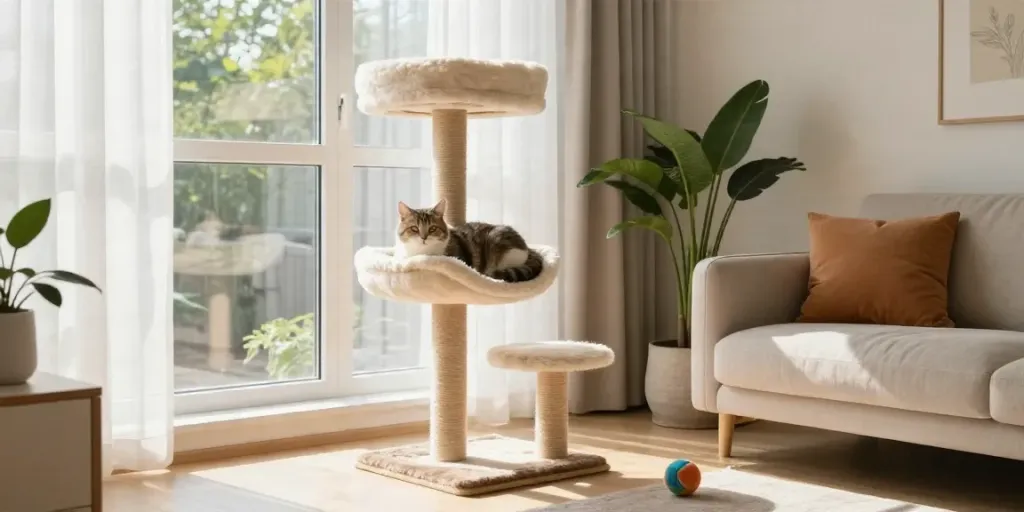
Understanding the Importance of a Cat Tree
For cat owners, providing an enriching environment for their feline friends is essential for optimal well-being. A cat tree serves as a multifunctional piece of furniture that caters to various needs of cats, including exercise, scratching, and relaxation. With the rise in indoor living arrangements, cat trees have become a critical component in ensuring that our cats remain stimulated and happy within the confines of our homes.
Why Every Cat Needs a Cat Tree?
Cat trees are more than just luxury items for your pet; they serve several crucial purposes. Cats are natural climbers and hunters. A cat tree provides the vertical space that caters to these instincts, allowing them to climb, play, and nap in a secure environment. Moreover, a well-designed cat tree can help reduce behavioral problems that arise from boredom, such as scratching furniture or excessive meowing.
Benefits of Multi-Level Designs for Feline Health
Multi-level cat trees offer various platforms for climbing and jumping, which are essential for maintaining a cat's physical health. Regular exercise helps cats manage their weight, supports muscle development, and can even prevent obesity-related diseases. Furthermore, different levels and cubbyholes provide ample opportunities for your cat to hide away, offering them a sense of security and peace.
How Cat Trees Enhance Indoor Living Spaces
Incorporating a cat tree into your home can also enhance your living space aesthetically. Modern designs come in a variety of colors, styles, and materials to fit seamlessly within your decor. By providing an attractive place for your cat to play and rest, you can prevent them from damaging furniture while simultaneously adding a piece of functional art to your home.
Selecting the Right Cat Tree for Your Home
Choosing the right cat tree is vital to ensuring that it meets both your needs and those of your feline friend. Consider factors such as size, material, and overall design. The following sections will delve deeper into how to find the perfect cat tree.
Factors to Consider: Size, Material, and Design
When selecting a cat tree, size is one of the first considerations. It should fit comfortably in your living space while providing adequate room for your cat to explore. In addition to size, the materials used in the construction of the cat tree are crucial. Opt for durable materials that can withstand the wear and tear of claws and jumping.
- Wood vs. Particle Board: Wooden trees are generally more durable, while particle board options may be less expensive but could wear out faster.
- Fabric Choices: Choose fabrics that are easy to clean and resistant to scratches.
Best Cat Trees for Large Breeds and Multiple Cats
If you own a larger breed or multiple cats, it’s essential to select a cat tree designed to accommodate their unique needs. Look for sturdy construction and larger platforms that can support their weight. Some excellent options include:
- Multi-level cat towers with expansive platforms
- Extra-strong scratching posts made of sisal
- Spacious condos for hiding and resting
Top Features to Look for in 2026 Models
As we look into 2026, innovations in cat tree design are expected to make them even more functional and appealing. Some features to consider include:
- Modular Designs: Customizable layouts that can adapt to your space and your cat's preferences.
- Eco-Friendly Materials: Increasing demand for sustainable products may see more cat trees made from recycled or biodegradable materials.
- Integrated Toys: Many modern trees now come with built-in play features to keep your cat engaged.
Real-life Examples: Success Stories with Cat Trees
To illustrate the impact of cat trees in enhancing the life of feline companions, let’s look at some real-life case studies of pet owners who have successfully integrated cat trees into their homes.
Case Study: Transforming a Home with Cat Furniture
One family with two energetic cats struggled with their pets scratching furniture and knocking over items. After installing a multi-level cat tree, they noticed a significant reduction in these behaviors. The cats spent hours climbing and exploring their new playground, ultimately keeping them entertained and away from the surfaces they shouldn’t be on.
User Testimonials: Cats Who Love Their Trees
Many cat owners report joy in watching their pets utilize cat trees effectively. A testimonial from a user states, "Since we got our cat tree, our cats have become more active and playful. They love lounging at the top and watching us from their perch!"
Comparative Analysis: Brands and Their Unique Offerings
While there are many brands available in the market, each offers unique features and benefits. Conducting a comparative analysis can help you find the right brand that meets your needs. Some leading brands include:
- Happy and Polly: Known for their Gothic-style cat trees that blend elegance and functionality.
- Mewcats: Specializes in premium options for larger cats.
- Costway: Offers a variety of budget-friendly but high-quality cat trees.
Common Misconceptions about Cat Trees
Despite the proven benefits of cat trees, several misconceptions persist that may deter cat owners from purchasing one. Let’s debunk some of these myths.
Do Cat Trees Take Up Too Much Space?
A common concern is that cat trees take up valuable floor space. However, many designs are compact, and there are even wall-mounted options available that can save space while offering the same benefits.
Can Cats Get Used to Using a Cat Tree?
Some owners worry that their cats won't use the tree. It's essential to introduce it properly, using treats or toys to entice your cat up the levels. Most cats will quickly adapt to the new addition, especially if it fulfills their natural instincts to climb and scratch.
Are Cat Trees Only for Kittens?
Another misconception is that cat trees are only suitable for kittens. In reality, cats of all ages can benefit from a cat tree. Older cats, in particular, may appreciate the opportunity to have a designated resting area that is easy to access.
The Future of Cat Trees: Trends to Watch in 2026
The pet industry continues to evolve, and cat trees are no exception. As we advance into 2026, several trends are likely to shape the market.
Innovations in Cat Tree Design and Functionality
Expect to see smarter cat furniture that incorporates technology. For example, some cat trees may feature built-in cameras for monitoring your pets or automated feeders to encourage play and mental stimulation.
Sustainable Materials: The Eco-Friendly Cat Tree
As environmental awareness rises, eco-friendly materials will become more prevalent in cat tree manufacturing. Sustainable sourcing and recyclable materials are likely to become standard practices.
Smart Technology: Integrating Cat Trees with Modern Living
The integration of smart technology in home living can enhance the functionality of cat trees. Features like built-in sensors to monitor your cat's activity levels may become standard, helping owners ensure their pets are healthy and active.
Is It Worth Getting a Cat Tree?
Ultimately, investing in a cat tree can have significant benefits for both cats and their owners. It helps to satisfy a cat's natural behaviors while promoting a happier and healthier lifestyle.
What is the 3-3-3 rule for cats?
The 3-3-3 rule suggests that it takes three days for a cat to adjust to a new home, three weeks to feel comfortable, and three months to fully settle in. A cat tree can aid in this transition, providing a safe space to retreat to during the adjustment period.
Are cat trees good for cats?
Yes, cat trees are beneficial for cats in numerous ways. They reduce stress, encourage physical activity, and provide a secure area for relaxation.
How much is Costco cat tree?
The price of a Costco cat tree can vary based on the model and features, typically ranging from affordable to mid-tier pricing, making them accessible for most budgets.