The Evolution of AI in Digital Art
The landscape of digital art is transforming rapidly, spurred by advancements in artificial intelligence (AI). One fascinating area within this evolution is the exploration of concepts that blur the boundaries between creativity and technology, such as the term ai slut. This term can refer to various AI applications in generating art that challenges traditional definitions of beauty, objectivity, and artistic intent. As we delve into the world of AI-generated art, understanding how these technologies interact with human creativity becomes essential for artists and creators alike.
Understanding 'ai slut' and Its Context in Art
The term 'ai slut' embodies a provocative intersection of AI technology and artistic expression. It signifies the use of AI in creating content that may be considered risqué or outside societal norms. This exploration can generate engaging discussions about censorship, aesthetics, and the evolving definitions of art. By using sophisticated algorithms, artists can generate provocative visuals and narratives that challenge preconceived notions, pushing the boundaries of what art can be in the digital age.
How AI Influences Modern Artistic Expression
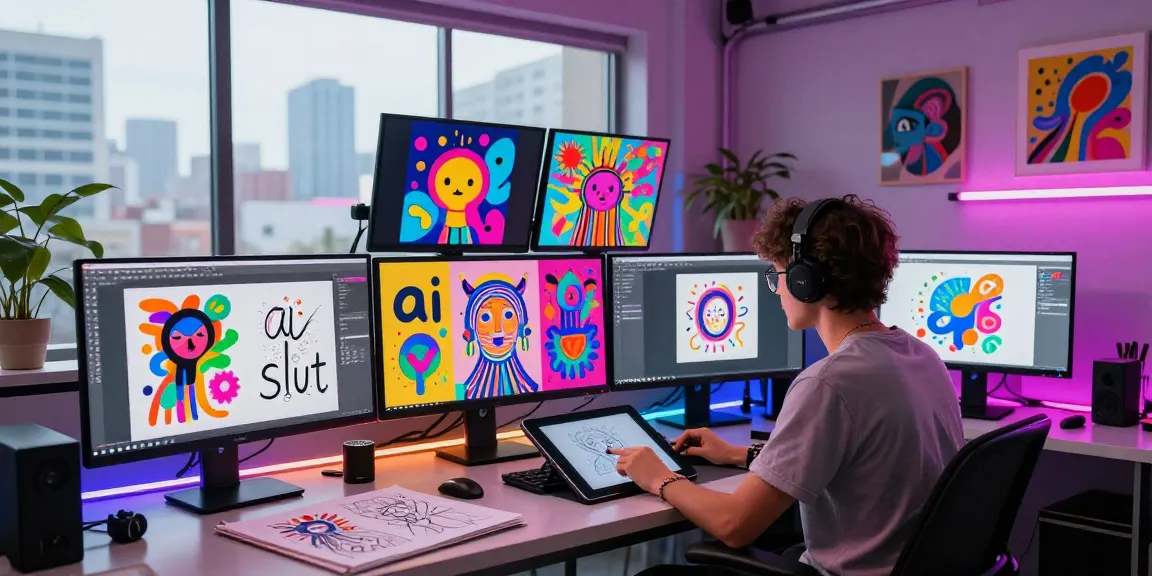
AI significantly impacts how artists conceptualize and produce their work. With tools that can create images, music, and even literature based on simple prompts, artists are now equipped with powerful companions that can help enhance their creative processes. For instance, some artists utilize AI to generate thousands of variations of a concept, selecting and refining these iterations to discover the most compelling pieces. This collaborative approach enables artists to experiment freely without the constraints of manual creation.
The Future of AI in Artistic Creations
Looking ahead to 2026 and beyond, the integration of AI in art will likely deepen, with more sophisticated tools enabling real-time collaboration between humans and machines. We may see the rise of virtual galleries showcasing AI-generated works that interact with audiences in immersive ways. Additionally, as AI continues to evolve, it will raise important questions about authorship and the value of human creativity versus machine-generated content.
Practical Applications of AI Art Generation
Understanding how to effectively utilize AI tools opens new avenues for creative exploration. Not only can they enhance artistic output, but they can also streamline workflows, making art production more efficient and innovative. Artists looking to integrate these technologies into their practice can consider various applications.
Utilizing AI Tools for Creative Projects
Artists can leverage AI tools like DALL-E, Midjourney, or Artbreeder for various creative projects. These platforms allow users to generate high-quality images from text descriptions, offering an exciting medium for exploration. By incorporating AI-generated elements into their work, artists can challenge their creative limits and redefine their artistic voices.
Incorporating 'ai slut' Concepts in Your Portfolio
For artists seeking to explore the concept of 'ai slut', integrating provocative AI-generated works into their portfolios can yield unique results. This may involve creating themes that touch on societal norms and the digital interpretation of sensuality. Such explorations can challenge the audience’s perceptions and foster dialogue about the role of AI in contemporary art.
Case Studies: Successful AI Artists
Several artists have successfully integrated AI into their work, showcasing the potential for collaboration between human and machine. For example, artists like Mario Klingemann and Refik Anadol have gained recognition for their groundbreaking work that employs neural networks to create stunning visuals. Their projects demonstrate that AI can not only aid in traditional art forms but also serve as an independent medium of expression.
Challenges and Misconceptions About AI Art
Despite its potential, the intersection of AI and art is not without controversy. Misunderstandings often arise regarding the capabilities of AI and its implications for human creativity.
Debunking Myths: AI vs Human Creativity
A common myth is that AI can replace human creativity. However, AI lacks the conscious experience and emotional depth that inform human artistic expression. Instead of replacement, AI serves as a tool that can enhance creativity, providing artists with new means to explore their concepts and ideas.
Ethical Considerations in AI Art Creation
Ethical dilemmas abound in the realm of AI art. Questions around consent, representation, and the potential for perpetuating stereotypes must be critically examined. Artists must reflect on how their work interacts with society and ethical norms, especially when utilizing AI to create content that could be seen as controversial.
Navigating Copyright Issues with AI-Generated Content
Copyright laws surrounding AI-generated content remain ambiguous. Artists using AI must be aware of the legal implications of their work, including who holds the copyright and how AI-generated pieces are classified. Engaging with legal experts can help navigate these challenges and ensure that artists protect their rights while exploring innovative practices.
Strategies for Integrating AI in Your Workflow
As AI continues to permeate the art world, it is crucial for artists to develop strategies for effective integration into their creative workflows. These strategies can enhance productivity and expand the scope of creative expression.
Best Practices for Using AI Tools Effectively
To maximize the benefits of AI in art, artists should adopt best practices, such as regularly experimenting with different tools and being mindful of the creative processes involved when using AI. Understanding the strengths and limitations of each AI tool can greatly enhance the quality and diversity of their work.
Combining Traditional Techniques with AI Methods
Artists should consider blending traditional artistic techniques with AI methods. For instance, using AI to generate initial ideas or concepts, followed by refining them through manual techniques, can yield unique results that showcase both human and machine creativity.
Tips for Artistic Collaboration with AI Systems
Effective collaboration with AI requires openness and adaptability. Artists should approach AI as a collaborative partner rather than a replacement, encouraging spontaneous creativity and unexpected results that can lead to innovative outcomes.
Looking Ahead: The Future of AI Art in 2026 and Beyond
The future of AI in art promises exciting developments, with emerging technologies poised to redefine artistic expression and engagement. By examining upcoming trends and gathering insights from leading artists, we can prepare for this transformative era.
Emerging Trends in AI Art Technology
As we approach 2026, the emergence of even more advanced AI art technologies is anticipated. Innovations such as generative adversarial networks (GANs) will likely become mainstream, enabling artists to create unprecedented levels of detail and creativity in their work.
Insights from Leading AI Artists
Artists at the forefront of AI innovations are sharing valuable insights on how to harness these tools effectively. Their experiences can guide emerging artists in navigating the complexities of AI art and inspire new generations to embrace both technology and creativity.
Preparing Your Skills for the Future of Art
As the art world evolves, artists must continually adapt and expand their skillsets. This may involve learning new software, understanding machine learning concepts, or even collaborating with technologists to create works that blend creativity with cutting-edge technology.
What are the effective ways to use AI for art?
Effective use of AI in art encompasses leveraging AI tools for ideation, exploring new artistic forms, and collaborating creatively. Artists should focus on integrating AI as a complementary tool rather than a crutch, ensuring it enhances rather than dictates their artistic vision.
Can AI truly replicate human creativity in art?
While AI can produce impressive results, it does not replicate the nuances of human creativity. The emotional resonance and personal experiences that inform artistic expression remain uniquely human. AI serves to augment creativity, providing artists with tools to expand their artistic language.
How is AI changing the landscape of art industries?
AI is reshaping the art industry by enabling new forms of creation, enhancing accessibility of artistic tools, and challenging traditional roles. As more artists embrace AI, the lines between the artist, the art, and the technology continue to blur, fostering a collaborative future.
What ethical concerns arise from AI-generated artworks?
Ethical concerns related to AI-generated art include issues of ownership, authenticity, and representation. Artists and society must grapple with these questions to ensure the respectful and responsible evolution of AI in the arts.
How to ensure originality in AI-assisted art?
Ensuring originality in AI-assisted art involves maintaining a strong personal narrative and artistic voice while utilizing AI's capabilities. Artists should prioritize their unique perspectives and creative intent, allowing AI to serve as a tool rather than the central creative force.