Understanding Measured Building Surveys
Measured building surveys are integral to the construction and development process, providing crucial information that directly impacts project success. From creating accurate floor plans to producing detailed elevations and sections, measured surveys serve as the foundation for informed decision-making in various sectors including residential, commercial, and industrial. With the unique challenges presented by projects in bustling urban environments like London, the role of Measured Building Surveyors London becomes paramount to ensure that all measurements are precise and that the data gathered meets contemporary demands.
What is a Measured Building Survey?
A measured building survey involves the detailed capture of a property's dimensions and characteristics to create accurate representations used in planning and design. This process typically includes the generation of floor plans, elevations, sections, and even 3D models, ensuring that every aspect of the building is documented with precision. Measured building surveys are often essential before any construction work begins, providing architects, builders, and clients with the necessary information to proceed with confidence.
Importance of Accurate Surveys in Construction
The accuracy of a measured building survey can significantly influence the outcome of a construction project. Inaccurate measurements can lead to costly alterations, project delays, and compliance issues with local regulations. Therefore, engaging competent measured building surveyors from the outset is vital to mitigate risks. Additionally, having a reliable survey helps streamline the design process, optimises space usage, and enhances the overall safety of the building.
Common Methods Used by Measured Building Surveyors London
Measured building surveyors deploy various methods to ensure high accuracy in their surveys. Some of the most common techniques include:
- Laser Scanning: Highly precise, laser scanning captures millions of data points quickly, producing high-resolution 3D models.
- Traditional Tape Measurements: While less common in modern practices, tape measures still play a role in smaller projects or for verification purposes.
- Photogrammetry: This technique uses photographs to create accurate 3D models and measurements, particularly useful for irregularly shaped buildings.
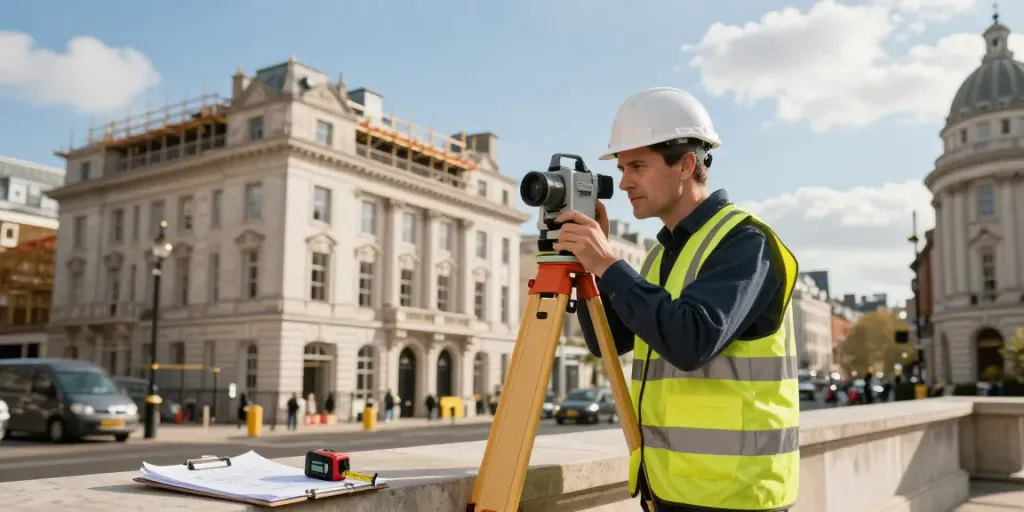
- Total Stations: These instruments provide precise horizontal and vertical angles and distances, ensuring a high level of accuracy in measurement.
Choosing the Right Measured Building Surveyor
Selecting the ideal measured building surveyor can significantly influence the success of your project. It's crucial to consider various factors to ensure that the chosen professional can meet your specific needs and expectations.
Key Qualities to Look for in Surveyors
When searching for a measured building surveyor, several key qualities should be considered:
- Experience: Look for surveyors with a proven track record in your project type, whether commercial or residential.
- Technical Proficiency: Expertise in advanced surveying technologies is essential for accurate results.
- Accreditations: Ensure that the surveyor has relevant qualifications and is a member of professional bodies, such as the RICS (Royal Institution of Chartered Surveyors).
- Client Reviews: Testimonials and case studies can offer insights into a surveyor's reliability and quality of work.
Comparing Services and Specialisations
Different surveyors may specialise in various areas, including residential properties, commercial buildings, and industrial sites. It's essential to compare services offered by multiple surveyors and identify which one best aligns with your project requirements. Some surveyors may focus on niche areas such as historical building surveys or large-scale commercial developments. This could determine their suitability for your specific needs.
Client Testimonials and Case Studies
Evaluating client testimonials and case studies is an invaluable step in assessing a surveyor's capabilities. Look for feedback that highlights not only the quality of the survey but also the surveyor's communication skills, adherence to timelines, and handling of any challenges during the surveying process. This information can provide potential clients with a sense of confidence in their choice.
Cost Considerations for Measured Building Surveys
Understanding the financial implications of a measured building survey is crucial for effective project budgeting. Costs can vary significantly based on several factors, making it vital to gather detailed quotes from different surveyors.
Average Costs in London and Surrey
In London and Surrey, the costs for measured building surveys can range from approximately £500 to upwards of £3,000, depending on the size and complexity of the property. Smaller residential surveys will generally be on the lower end of this scale, while larger commercial properties or intricate historical buildings will attract higher fees due to the additional time and expertise required.
Factors Affecting Survey Prices
Several factors can influence the cost of a measured building survey, including:
- Size of the Property: Larger buildings naturally require more time and resources to survey.
- Survey Complexity: Unique architectural features or challenging access can increase costs.
- Location: Urban locations with higher operational costs may reflect these expenses in the survey pricing.
- Technology Used: Advanced surveying equipment, such as laser scanners, may incur additional costs but provide significant accuracy benefits.
Budgeting for Accurate Measurements
When budgeting for a measured building survey, it's advisable to factor in potential additional costs that could arise. This may include revisits for further measurements or adjustments if the initial survey uncovers unexpected challenges. Allocating slightly more than the quoted fee can provide a cushion for any incidental expenses that may arise during the surveying process.
Challenges in Measured Building Surveys
While measured building surveys are essential, they are not without their challenges. Understanding these obstacles can help in choosing the right surveyor and preparing adequately for the surveying process.
Common Obstacles Surveyors Face
Surveyors often encounter several common challenges, such as:
- Access Issues: Limited access to properties can hinder thorough surveying.
- Complex Building Structures: Irregular shapes or extensive renovations can complicate measurements.
- Weather Conditions: Adverse weather can delay surveys, particularly for outdoor spaces.
How to Overcome Surveying Challenges
Successfully navigating these challenges requires experienced surveyors with adaptive practices. Communication between the surveyor and client is vital; the clearer the understanding of any potential obstacles, the more effectively they can be managed. Having contingency plans in place, such as scheduled follow-up surveys, can also alleviate some pressure associated with unexpected challenges.
Utilising Technology to Enhance Accuracy
Incorporating modern technology greatly enhances the accuracy of measured building surveys. Tools like drone surveying can provide aerial perspectives, while laser scanning offers precision that traditional methods cannot match. Surveyors who stay abreast of technological advancements are better equipped to meet the demands of contemporary projects.
Future Trends in Measured Building Surveys
Looking ahead, the field of measured building surveys is set to evolve significantly due to advancements in technology and changing regulations. Understanding these trends can help clients align their projects with future standards.
Innovations in Surveying Technology for 2026
The future of surveying looks bright with innovations such as AI-driven analysis, which can automate data processing and improve accuracy. Tools that integrate into Building Information Modelling (BIM) are also expected to become more prevalent, allowing for seamless integration of measurements into design workflows.
The Impact of Sustainability on Building Surveys
Sustainability considerations are influencing building designs and renovations, making it essential for measured building surveys to address energy efficiency and eco-friendly materials. Surveyors may need to provide insights into sustainable design principles, ensuring that developments align with contemporary environmental standards.
Preparing for Changes in Regulations and Standards
As regulations surrounding construction and building safety evolve, measured building surveyors will need to stay informed about current standards. Regular training and updates on legal changes will enhance the reliability of a surveyor's assessments, helping clients navigate the complexities of compliance.
What is the average cost of a measured building survey in the UK?
The average cost of a measured building survey in the UK typically ranges from £500 to £3,000. This variation is influenced by property size, complexity, and specific survey requirements.
How long does a measured survey take?
The duration of a measured building survey can vary from a few hours for straightforward residential properties to several days for larger or more complex buildings. Factors such as access and the extent of the survey required can also impact the timeline.
How to know if a surveyor is good?
To determine if a surveyor is reputable, consider their experience, qualifications, and client feedback. Engaging with previous clients and examining their project portfolios can provide valuable insights into their reliability and quality of work.
What are the top 10 quantity surveying firms in the UK?
While many firms specialise in quantity surveying, notable names often include established players like Turner & Townsend, Rider Levett Bucknall, and Gleeds, among others. Each firm varies in expertise and project focus.
Measured building surveyors London reviews?
Reading reviews and testimonials from past clients can provide clarity on a surveyor's strengths and potential weaknesses. Platforms such as Trustpilot or Google Reviews can be valuable resources for gathering feedback.