Understanding Mechanical Vacuum Switches
Mechanical vacuum switches are essential devices in a variety of industrial applications, providing reliable and accurate monitoring of vacuum levels. These switches operate on specific mechanical principles and are designed to ensure safety and control in systems where vacuum conditions must be maintained. With the growing complexity of industrial automation, understanding the functionality and benefits of mechanical vacuum switches is crucial for engineers and system designers alike. When exploring options, mechanical vacuum switch products can offer robust performance tailored to specific needs.
What is a mechanical vacuum switch?
A mechanical vacuum switch is a device that detects vacuum pressure within a system and provides electrical contacts to control devices based on that pressure. Unlike electronic switches, mechanical vacuum switches utilize physical mechanisms such as diaphragms or bellows to sense pressure changes, ensuring that the switch operates reliably in various environments. These switches can activate or deactivate pumps, alarms, or other equipment when predefined pressure thresholds are met, making them integral to process control in many sectors.
Key components and design features
Mechanical vacuum switches typically consist of several critical components:
- Diaphragm or Bellows: The primary sensing element that responds to changes in vacuum pressure.
- Adjustable Set Point: Most mechanical vacuum switches allow for the adjustment of the pressure threshold at which the switch activates or deactivates.
- Electrical Contacts: These contacts enable the switch to control electrical circuits based on the vacuum condition.
- Sealed Housing: Many models feature protective enclosures that safeguard the internal components from dust, moisture, and corrosive environments.
These components work together to ensure accurate operation and long service life, even in challenging conditions.
Applications in industry: Where and why
Mechanical vacuum switches are widely used across various industries, including:
- HVAC Systems: They help monitor and control airflow and pressure in heating and cooling systems.
- Packaging: Used in machines to ensure optimal vacuum levels for sealing products.
- Automotive: Essential for controlling systems that require vacuum, such as brake boosters.
- Process Automation: Helps maintain vacuum levels in chemical processing and food production.
The reliability and simplicity of these switches make them a preferred choice for many applications requiring precise vacuum control.
Benefits of Using Mechanical Vacuum Switches
Advantages over electronic alternatives
While electronic switches offer certain advantages, mechanical vacuum switches often outperform them in specific scenarios. Key benefits include:
- Durability: Mechanical switches are robust and can handle harsher environmental conditions without failure.
- Cost Efficiency: They typically have a lower initial cost and do not require complex circuitry.
- No Power Supply Needed: Mechanical switches function independently of an external power source, reducing dependency on electrical systems.
Cost-effectiveness and maintenance considerations
Mechanical vacuum switches require minimal maintenance compared to their electronic counterparts. The straightforward design means fewer parts that can fail, leading to significant cost savings over time. Additionally, their simple calibration process allows easy adjustments without specialized tools or training, further reducing operational costs.
Reliability and durability in harsh environments
With robust construction, many mechanical vacuum switches feature materials that withstand corrosion, moisture, and dust. This makes them suitable for use in industries such as food processing, pharmaceuticals, and chemical manufacturing, where equipment must endure tough conditions.
Calibration and Installation Best Practices
Step-by-step installation guide
Installing a mechanical vacuum switch requires careful attention to ensure proper function and performance:
- Read the Manufacturer’s Instructions: Always start by consulting the technical documentation specific to your switch model.
- Prepare the Installation Site: Ensure the area is clean and free from contaminants.
- Select the Proper Location: Install the switch in an accessible location for future maintenance and adjustments.
- Mount the Switch: Secure the switch according to the provided guidelines, ensuring that it is aligned correctly.
- Connect Electrical Wiring: Make sure to follow all wiring schematics accurately to avoid electrical issues.
- Test the Installation: Once installed, test the switch to ensure it activates and deactivates as intended.
Calibration techniques for accuracy
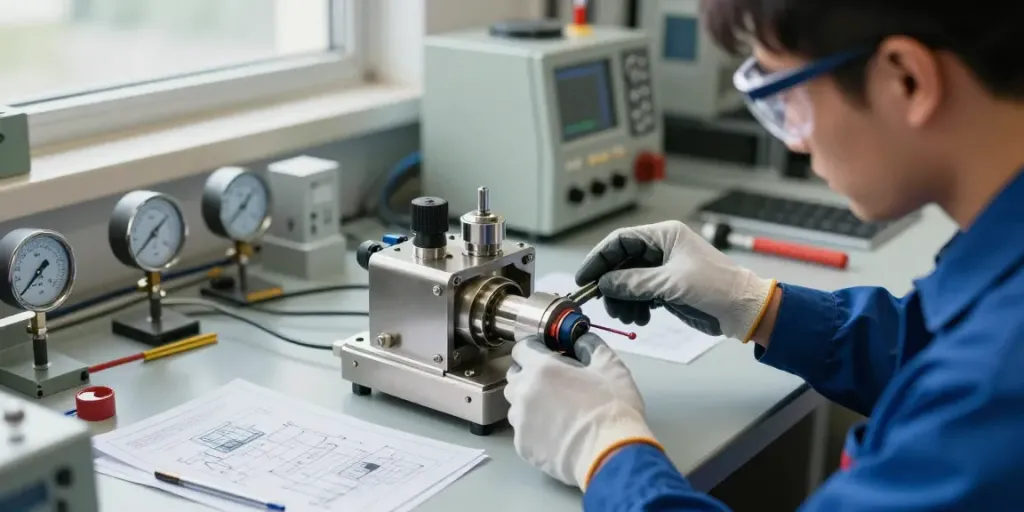
Calibration is essential for ensuring that your mechanical vacuum switch operates accurately within the desired vacuum range:
- External Adjustment Screws: Most models come with adjustment screws that allow for easy settings adjustments based on process requirements.
- Visual Scale: Utilize the visual scale, if available, to determine the current set point and make precise adjustments.
- Regular Testing: Conduct periodic tests to ensure that the switch is still functioning accurately and adjust as necessary.
Common installation mistakes to avoid
To ensure effective operation, avoid these common pitfalls during installation:
- Improper alignment of the switch assembly which can lead to inaccurate readings.
- Neglecting to secure all connections, leading to leaks or failures.
- Ignoring environmental factors that might affect the switch's function, such as proximity to heat sources.
Real-World Examples and Case Studies
Industrial applications: Success stories
In one notable case, a food processing plant implemented mechanical vacuum switches to control packaging machines. This led to improved product quality and reduced waste, demonstrating the effectiveness of these switches in enhancing operational efficiency.
Challenges faced and solutions implemented
A chemical manufacturing facility once faced recurring issues with electronic vacuum switches failing due to harsh corrosive environments. By switching to mechanical vacuum switches, they experienced significant uptime and reliability, showcasing their advantages in challenging settings.
Comparative analysis with electronic switches
A comparative study revealed that mechanical vacuum switches offer lower overall costs and greater reliability in environments where electronic switches frequently fail due to moisture and dust. This solidifies their position as a preferred choice for many industries.
Future Trends in Mechanical Vacuum Switch Technology
Emerging innovations and developments
As industries evolve, so does the technology behind mechanical vacuum switches. Future iterations may include improvements in materials that enhance resistance to extreme temperatures and corrosive substances, further expanding their application range.
Predictions for the industry in 2026
By 2026, mechanical vacuum switches are expected to incorporate smart features, allowing for advanced monitoring and communication capabilities while maintaining their reliable mechanical design. This evolution will enable better integration within automated systems, paving the way for Industry 4.0 applications.
Getting ahead: Adapting to new technologies
To remain competitive, manufacturers and engineers must stay informed about emerging trends in vacuum technology. Understanding how to integrate new functionalities with traditional mechanical systems will ensure their continued relevance in a rapidly changing industrial landscape.