The Rise of Home Gardening in the UK
As the world continues to navigate through various challenges, many individuals in the UK have found solace and purpose in home gardening. This burgeoning trend has not only transformed backyards and balconies across the nation but has also fostered a deeper connection between people and nature. Gardening has emerged as a therapeutic activity, promoting wellness and sustainability while offering a creative outlet. With the establishment of brands like IDEALIST UK, homeowners can easily access a variety of planters and gardening tools tailored specifically for their needs.
Understanding the Home Gardening Trend
The shift towards home gardening has been fueled by several factors. Climate change concerns, economic uncertainties, and the desire for organic produce have encouraged many to cultivate their own gardens. Home gardening enables individuals to control the growing conditions, from soil quality to pest management, leading to healthier plants and more robust harvests. According to a recent survey, over 72% of UK households have engaged in some form of gardening, illustrating a significant cultural shift.
Benefits of Gardening for Mental Health
Gardening is not just a pastime; it's also a powerful tool for mental health. Numerous studies indicate that spending time in nature helps to reduce stress, anxiety, and depression. The act of nurturing plants can provide a sense of accomplishment and purpose. Engaging with the earth and getting your hands dirty has therapeutic benefits, allowing for mindfulness and a break from the hustle of daily life. For many, their gardens have become sanctuaries of peace and productivity.
Popular Plants for UK Gardens in 2026
As we move into 2026, certain plants are gaining popularity among UK gardeners due to their hardiness and aesthetic appeal. Native plants like the Holly Blue Butterfly bush and various species of Lavender are favorites, attracting beneficial pollinators. Additionally, edible plants like tomatoes, herbs, and salad greens are increasingly sought after. The trend is leaning toward biodiversity, where homeowners are encouraged to plant a mix of flowers, shrubs, and vegetables to create a balanced ecosystem in their gardens.
Choosing the Right Planters for Your Garden
Selecting the right planters is crucial for the success of your gardening endeavors. With so many options available, understanding the materials, size, and positioning of your planters can make all the difference in plant health and growth.
Material Choices: Wood, Ceramic, and Plastic
When selecting planters, consider the material options available. Wooden planters offer excellent insulation and aesthetic appeal but require regular maintenance to prevent rot. Ceramic pots are praised for their durability and available designs but can be heavy and breakable. Plastic planters are lightweight and affordable, although they may not retain moisture as well as other materials. Choosing the right planter depends on your gardening style and the plants you intend to grow.
Size and Shape Considerations for Maximum Growth
The size and shape of planters can significantly affect plant growth. Ensure the planter is large enough to accommodate the plant's root system, as cramped roots can stunt growth and lead to poor health. Additionally, unique shapes can enhance aesthetic appeal while serving practical functions, such as better drainage or sunlight exposure for specific plants.
How to Position Planters for Optimal Sunlight
Proper positioning is essential to give plants the sunlight they need. Most vegetables and flowering plants require at least six hours of direct sunlight daily. Planters should be placed in locations that maximize sun exposure but also consider shade during the hottest parts of the day. Observing how sunlight travels across your garden can help in deciding the best positions for your planters.
Best Practices for Plant Care and Maintenance
Taking care of your plants involves more than just watering. Understanding plant needs and employing best maintenance practices can lead to a thriving garden.
Essential Tools and Their Uses
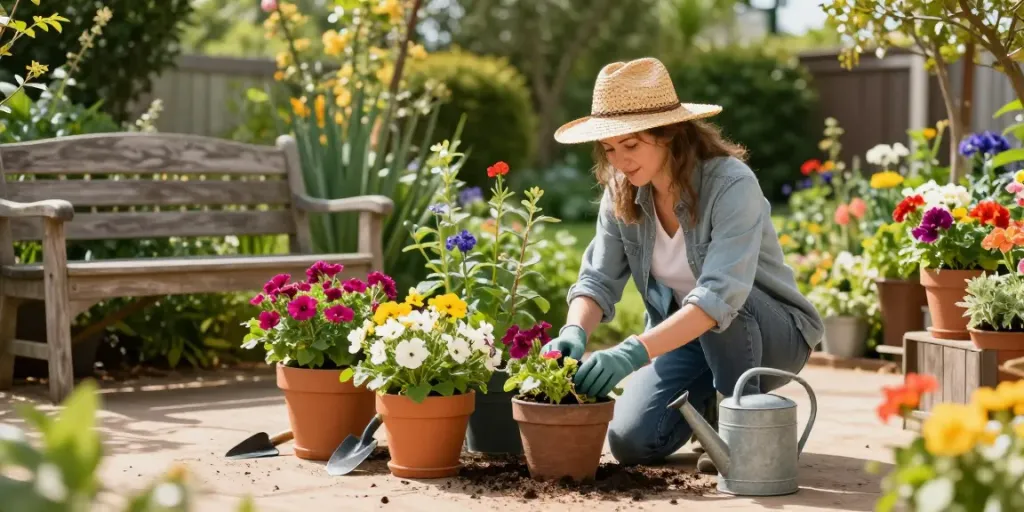
Having the right tools can make gardening tasks easier and more efficient. Essential tools include hand trowels for digging, pruners for trimming, and watering cans for hydration. More advanced gardeners may also invest in soil testers, plant supports, and pest control equipment. Each tool has a specific role, helping to ensure your plants receive optimal care throughout their growth cycle.
Watering Techniques for Different Plant Types
Watering is a critical aspect of plant care, and techniques can vary based on plant type. While most plants benefit from deep watering, some, like succulents, prefer infrequent but thorough soaking. It's essential to adjust your watering schedule according to the season, plant growth stage, and environmental conditions. Using mulch can help retain moisture and reduce watering frequency.
Recognizing and Managing Plant Diseases
Being able to identify signs of plant disease early is crucial in maintaining a healthy garden. Common indicators include wilting, discolored leaves, and unexpected growth patterns. Integrated pest management practices, such as using biological controls and crop rotation, can help prevent disease spread and maintain plant vigor.
Creating a Sustainable Garden
As environmental awareness grows, many gardeners are adopting sustainable practices that promote a healthy ecosystem.
Benefits of Organic Gardening Practices
Organic gardening emphasizes natural methods for growing plants without synthetic fertilizers or pesticides. This approach not only results in healthier plants but also protects local wildlife and reduces chemical runoff. Organic gardens often yield superior nutritional value, making them a healthier choice for consumers.
Composting: Turning Waste into Garden Gold
Composting is an excellent practice for sustainable gardening. By recycling kitchen scraps and yard waste, you create a nutrient-rich soil amendment that enhances the health of your garden. Composting reduces landfill waste and contributes to a circular economy, emphasizing sustainability in your gardening efforts.
Integrating Native Plants to Support Local Wildlife
Incorporating native plant species into your garden can significantly benefit local ecosystems. Native plants provide habitats and food sources for local wildlife, including birds and pollinators. These plants are also better adapted to local soil and climatic conditions, requiring less water and maintenance.
Future Trends in Gardening and Planters
The gardening landscape continues to evolve, with various trends poised to redefine how we cultivate our green spaces.
Technological Innovations for Gardeners
New technologies are changing the way gardeners interact with their plants. Smart irrigation systems can optimize watering schedules based on weather forecasts, and apps for plant identification and care tips are becoming increasingly popular. Drones are even being used for large-scale gardening and farming, providing aerial surveillance of crops for better management.
Predictions for Gardening Styles Post-2026
As we look onward, gardening styles are expected to shift towards more eco-conscious designs. Vertical gardens and urban farming are gaining traction, especially in urban settings where space is limited. These styles not only make use of confined areas but also promote greenery in concrete environments.
How to Stay Informed and Inspired in Gardening
Staying informed about gardening trends, techniques, and plants is vital for success. Joining local gardening clubs and following gardening blogs can provide valuable insights. Additionally, attending workshops and local garden shows can spark inspiration and foster a sense of community among gardeners.
What are the main benefits of gardening?
Gardening provides numerous benefits, including improved mental health, access to fresh produce, and the opportunity to connect with nature. It promotes physical activity and can enhance overall well-being. Furthermore, it allows for creative expression and contributes to environmental sustainability.
How do I choose the right plants for my garden?
Selecting the right plants involves considering your local climate, soil conditions, and available sunlight. It's advisable to choose plants that are well-suited to your environment and require similar care. Researching native species can also help in making informed decisions.
What gardening tools are essential for beginners?
Essential tools for beginner gardeners include a hand trowel, pruners, a watering can, and a garden fork. These tools cover basic needs while allowing for easy maintenance and care of various plants.
How can I make my garden more sustainable?
To create a sustainable garden, focus on organic gardening practices, utilize compost, and select native plants that thrive in your area. Reducing water usage through efficient irrigation and promoting biodiversity are also essential steps.
What trends should gardeners look out for in the future?
Future gardening trends may include growing edible landscapes, embracing technology for efficient gardening, and emphasizing sustainability in all gardening practices. Urban farming and community gardens will likely become more prevalent as cities seek to enhance green space access.