Choosing the Right Plant Pots for Your Home
Whether you're an avid gardener or just starting to explore the world of indoor plants, selecting the right plant pots is crucial for ensuring the health and growth of your green companions. With a variety of materials, sizes, and designs available, making the ideal choice can significantly impact plant vitality and enhance your home's overall aesthetic. This guide will navigate through the multitude of options and provide insights on how to choose the best pots tailored to your specific needs.
Understanding Different Materials in Plant Pots
Plant pots come in an array of materials, each with unique characteristics that suit different plant types and environments. Here are the most common materials:
- Plastic: Lightweight and versatile, plastic pots are excellent for indoor usage and are typically less expensive. They are available in various colors and styles, making them a popular choice for casual gardeners.
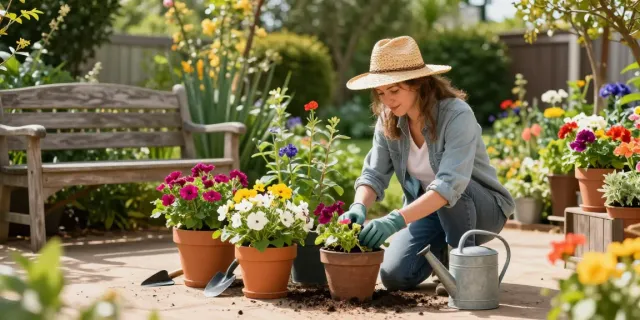
- Ceramic: Known for their durability and aesthetic appeal, ceramic pots can be either glazed or unglazed. Glazed pots retain moisture and are great for plants requiring consistent watering, while unglazed ceramic pots allow soil to breathe, making them ideal for succulents.
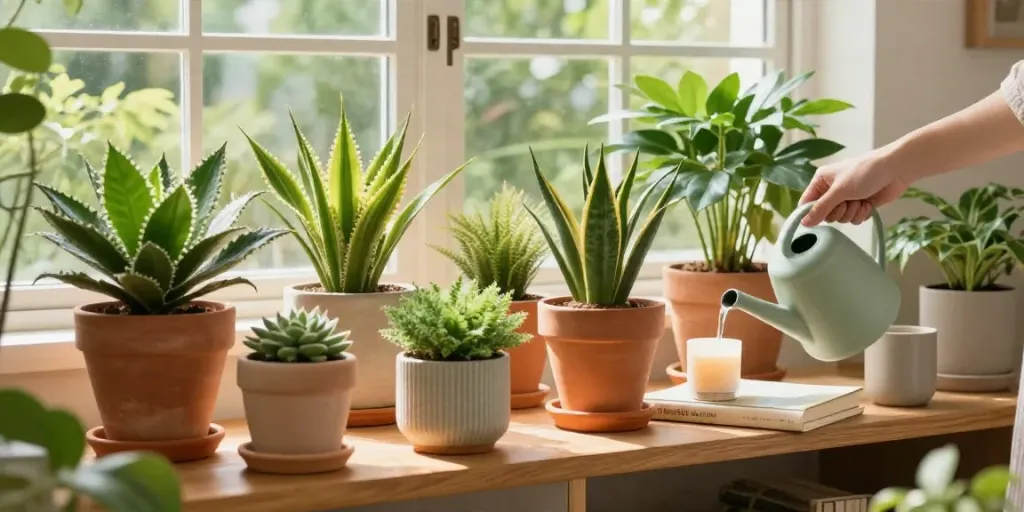
- Terracotta: A type of clay pot that is porous and allows soil to dry out faster. These pots are perfect for drought-tolerant plants as they provide excellent aeration.
- Metal: Often used for decorative purposes, metal pots can add a modern touch to your plant display. However, they may heat up quickly, which might not be suitable for all plants.
- Biodegradable Materials: Eco-friendly options such as bamboo, coconut coir, or recycled materials are becoming increasingly available. These pots are compostable and reduce plastic usage.
Choosing Size and Shape for Optimal Growth
The size and shape of a plant pot can influence root development and overall plant health significantly. It’s essential to consider both the current size of your plant and its potential growth. Here are key factors to remember:
- Diameter: Generally, pots should be 1-2 inches wider in diameter than the current root ball of the plant to allow for growth without being too spacious, which can lead to overwatering.
- Depth: The depth of the pot should accommodate the root system. Deep pots are suitable for plants with extensive root systems, while shallow pots work well for those with shallow roots.
- Shape: Round pots are the most common but don’t underestimate the impact of square or rectangular pots, especially if you are limited on space. They can allow for better organization and maximize light exposure.
Design Aesthetics: Matching Pots with Home Decor
Choosing plant pots that complement your home design can enhance the overall aesthetics of your space. Consider these design elements:
- Color: Bright, vibrant colors can make a statement, while neutral tones fit seamlessly into any decor. Choose colors that either contrast beautifully or blend in with your surroundings.
- Texture: Incorporate a variety of textures to add depth to your plant displays. Pair smooth ceramic pots with rough-hewn wooden stands for a balanced look.
- Theme: Whether your home style is modern, rustic, or eclectic, ensure that your plant pots align with your overall theme, utilizing materials and designs that resonate with your furnishings.
Best Practices for Plant Pot Maintenance
Once you've selected your ideal plant pots, proper maintenance is essential for keeping them and your plants in top condition. Here are some best practices for maintaining your plant pots:
Cleaning and Preserving Different Pot Materials
Regular cleaning of your plant pots can help prevent disease and pests from affecting your plants. Here are tips based on pot material:
- Plastic: Use a mild soap solution or vinegar to clean plastic pots. Rinse thoroughly to eliminate any residue.
- Ceramic and Terracotta: Gently scrub with a soft brush. For tough stains or algae, soak pots in a water and bleach solution (with a ratio of 1:10) and rinse well afterward.
- Metal: Wipe with a damp cloth; avoid abrasive cleaners that may scratch the surface.
Pot Drainage Needs: Ensuring Healthy Plants
Drainage is perhaps the most critical aspect of plant pot maintenance. Ensuring that your pots have adequate drainage holes is vital for preventing waterlogged soil, which can lead to root rot. Here are actionable tips:
- Check for Drainage Holes: Before planting, ensure your pot has sufficient drainage holes. If using decorative pots without drainage, consider using a plastic insert within.
- Layering: Add gravel or small stones at the bottom of the pot before adding soil to improve drainage and airflow.
Seasonal Care Tips for Plant Pots
Seasonal changes can impact your plants' needs and pot care. Here are suggestions based on the seasons:
- Spring: As plants begin to grow, check for root crowding. Consider repotting them into larger pots if necessary.
- Summer: Increase watering frequency, especially for outdoor pots exposed to heat. Monitor for pests more actively during this time.
- Fall: Gradually reduce watering as plants prepare for dormancy. Clean pots thoroughly before winter.
- Winter: Protect outdoor pots by insulating them with burlap or moving indoor to prevent freezing.
Eco-Friendly Options for Sustainable Gardening
As environmental awareness grows, many gardeners are looking for sustainable options in plant pots. Here are some eco-friendly choices:
Biodegradable Plant Pots: Benefits and Uses
Biodegradable pots made from materials such as coir or recycled cellulose are ideal for environmentally-conscious gardeners. Not only do they reduce plastic waste, but they also provide organic matter as they decompose, enriching the soil. These pots can be planted directly into the ground, ensuring minimal disruption to the root system.
Recycling and Upcycling Ideas for Old Pots
Instead of discarding old pots, consider creative ways to recycle or upcycle them:
- Decorative Art: Paint or decoupage old terracotta pots to create unique pieces of art for your home or garden.
- Garden Markers: Use broken pieces of ceramic pots to label plants in your garden.
- Bird Feeders: Transform larger pots into bird feeders by suspending them with wire or rope.
Choosing Eco-Conscious Brands for Plant Pots
When shopping for plant pots, look for brands that prioritize sustainability. This includes those that offer pots made from recycled materials or those that engage in sustainable manufacturing practices. Researching companies and reading reviews can help you make informed decisions that align with your values.
Innovative Trends in Plant Pots for 2026
As we move further into 2026, the world of plant pots is evolving with exciting innovations. Stay ahead of the curve by exploring the latest trends:
Smart Plant Pot Technology: A New Age of Gardening
Smart plant pots equipped with sensors can monitor soil moisture, temperature, and pH levels, sending alerts to your smartphone when it’s time to water. This technology not only simplifies plant care but also helps in optimizing growth conditions.
Integrating Plant Pots into Urban Architecture
Urban spaces are increasingly embracing greenery. Architectural designs now incorporate integrated plant pots within buildings, balconies, and facades, promoting biodiversity and improving air quality in cities.
Customizable Plant Pots: Personalizing Your Green Space
Customization is becoming a significant trend, with options to personalize pot designs through color, texture, and size. This allows garden enthusiasts to express their personality and make their plant displays unique and tailored to their taste.
Frequently Asked Questions about Plant Pots
To further assist you in your quest for the perfect plant pots, here are some common questions and their answers:
What are the best materials for outdoor plant pots?
Outdoor plant pots should be durable and resistant to weather elements. Terracotta, concrete, and certain plastics are excellent choices as they withstand temperature fluctuations and moisture effectively.
Do plants thrive better in clay or plastic pots?
It depends on the plant type. Clay pots allow for excellent airflow and moisture retention, making them ideal for plants that prefer drier conditions. Plastic pots, on the other hand, help retain moisture, which is beneficial for tropical plants.
How often should I repot my plants?
Most plants benefit from repotting every 1-2 years or when you notice the roots growing out of the pot's drainage holes. Repotting is also an excellent opportunity to refresh the soil and provide new nutrients.
Where can I find affordable yet stylish plant pots?
Local garden centers, home improvement stores, and online retailers often offer a wide array of affordable options. Shopping during sales or checking thrift stores can also yield stylish finds.
What are the emerging design trends for plant pots?
Current trends lean towards sustainable materials, minimalist designs, and multifunctional pots that serve purposes beyond plant care, such as storage or art displays.